Dr. Vivek Kumar – Director, Interventional Cardiology & Head of Structural Heart Program at Max Super Speciality Hospital, Vaishali – is among the leading specialists for heart attack treatment in Ghaziabad and Delhi NCR.
Best Heart Attack Treatment
The most common warning sign of a heart attack is chest pain. Other symptoms may include light-headedness, nausea, and shortness of breath. Some people may not notice any signs at all.
A heart attack is a life-threatening medical emergency. The sooner blood flow to the heart is restored, the better the chances of recovery and the lower the risk of permanent damage.
What exactly is a heart attack?
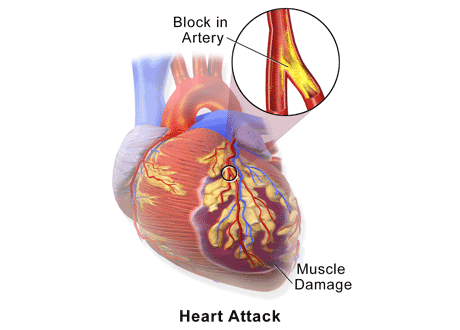
A heart attack (myocardial infarction) occurs when blood flow to a part of the heart muscle is blocked or severely reduced. Without enough oxygen-rich blood, the affected heart muscle begins to die. If the blockage is not treated quickly, permanent damage can occur and may lead to heart failure or other serious complications.
Symptoms of a Heart Attack
Common symptoms include:
- Chest discomfort or pain (pressure, tightness, squeezing or aching)
- Pain or discomfort in the arms, shoulders, neck, jaw or upper back
- Shortness of breath
- Nausea or vomiting
- Cold sweat
- Light-headedness, dizziness or fainting
- Unusual fatigue
Note: Symptoms can differ between men and women. Women may experience more atypical symptoms such as unusual fatigue, nausea or back/jaw pain.
Causes of a Heart Attack
The leading cause is coronary artery disease – the build-up of plaque (atherosclerosis) inside the arteries that supply the heart.
Types of Heart Attack
- Type 1 – Caused by a plaque rupture that triggers a blood clot, completely or partially blocking the artery.
- Type 2 – Occurs when the heart does not receive enough oxygen-rich blood even without a complete blockage (e.g., severe anaemia, spasm, or demand-supply mismatch).
Other contributing factors
- Coronary artery spasm
- Drug abuse (especially cocaine)
- Spontaneous coronary artery dissection
- Severe hypoxia (lack of oxygen in the blood)
Risk Factors
Some risk factors cannot be changed (age, family history, gender). Others are modifiable:
- Smoking and tobacco use
- High cholesterol and high blood pressure
- Obesity and physical inactivity
- Diabetes or pre-diabetes
- Unhealthy diet high in trans and saturated fats
- Excessive alcohol consumption
- Chronic stress
- Obstructive sleep apnoea
How is a Heart Attack Diagnosed?
Diagnosis is based on symptoms, physical examination, medical history and specific tests:
- Electrocardiogram (ECG) – Records the electrical activity of the heart and can show signs of a heart attack.
- Blood tests – Detect cardiac enzymes (troponin) released when heart muscle is damaged.
- Echocardiogram – Uses sound waves to assess heart function and identify damaged areas.
- Coronary Angiography / Cardiac Catheterisation – Visualises blockages in the coronary arteries and allows immediate treatment if needed.
Treatment of Heart Attack
Immediate treatment aims to restore blood flow as quickly as possible. Options include:
Emergency Procedures
- Primary Angioplasty & Stenting – The preferred treatment in most cases. A balloon opens the blocked artery and a stent is placed to keep it open.
- Thrombolysis (Clot-busting drugs) – Used when angioplasty is not immediately available.
- Coronary Artery Bypass Surgery (CABG) – May be required in complex multi-vessel disease.
Medications
- Aspirin and other antiplatelet agents
- Anticoagulants (blood thinners)
- Beta-blockers
- ACE inhibitors / ARBs
- Statins (cholesterol-lowering drugs)
- Nitroglycerin and pain relief medicines
Long-term Care
- Cardiac rehabilitation
- Lifestyle modification (diet, exercise, quitting smoking)
- Regular follow-up and medication adherence
- Management of risk factors (diabetes, hypertension, cholesterol)
Why choose Dr. Vivek Kumar for Heart Attack Treatment in Ghaziabad & Delhi NCR?
As Director – Interventional Cardiology & Head of Structural Heart Program at Max Super Speciality Hospital, Vaishali, Dr. Vivek Kumar has extensive experience in emergency and elective coronary interventions. Patients from across Delhi NCR trust him for rapid, evidence-based care that saves heart muscle and lives.