Arrhythmia
An arrhythmia of the heart is an irregular heartbeat. When the electrical signals that coordinate the heart's beats fail to function properly, heart rhythm problems occur. This faulty signaling causes the heart to beat too quickly (tachycardia), too slowly (bradycardia), or irregularly.
Heart arrhythmias can feel like a fluttering or racing heart. While many are harmless, some can cause bothersome, even life-threatening, signs and symptoms. It is essential to understand that having a fast or slow heart rate is not always abnormal (such as during exercise or sleep).
Dr. Vivek Kumar, a leading cardiac electrophysiologist, suggests that medication, catheter procedures (RFA), implanted devices (pacemakers, ICDs), or surgery can safely control or eliminate fast, slow, or irregular heartbeats.
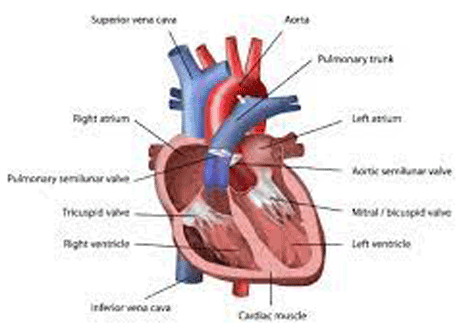
Types
Heart arrhythmias are classified based on the heart rate:
- Tachycardia: A rapid heartbeat where the resting heart rate exceeds 100 beats per minute.
- Bradycardia: A slow heartbeat where the resting heart rate is less than 60 beats per minute.
Symptoms of Arrhythmia
Heart arrhythmias may sometimes produce no symptoms at all. However, common warning signs include:
- A fluttering sensation in the chest
- A racing heartbeat (tachycardia)
- A slow heartbeat (bradycardia)
- Chest pain or chest tightness
- Shortness of breath
- Anxiety or fatigue
- Dizziness or lightheadedness
- Unexplained sweating
- Fainting (syncope) or near-fainting spells
Common Causes
Arrhythmias occur when the heart's natural electrical impulses are disrupted. This can be caused by coronary artery disease, high blood pressure, congenital heart defects, thyroid disorders, obstructive sleep apnea, or electrolyte imbalances (such as potassium or sodium irregularities).
Arrhythmia Diagnosis and Treatment
We utilize advanced diagnostic tools including Electrocardiograms (ECG/EKG), Holter monitors, Event recorders, and Echocardiograms to evaluate your condition. Treatment depends on the type and severity of your arrhythmia and may include:
- Medications: Beta-blockers, antiarrhythmics, or blood thinners (to prevent clots in atrial fibrillation).
- Cardioversion: Resetting the heart rhythm via medication or a controlled electrical shock.
- Catheter Ablation (RFA): Utilizing heat energy to scar the specific heart tissue causing abnormal electrical signals.
- Pacemakers & ICDs: Implanting advanced cardiac devices to regulate heart rhythm automatically.