Dr. Vivek Kumar – Director, Interventional Cardiology & Head of Structural Heart Program at Max Super Speciality Hospital, Vaishali – is among the leading specialists offering the best Balloon Mitral Valvotomy treatment in Ghaziabad and Delhi NCR.
What is Balloon Mitral Valvotomy / Valvuloplasty?
The heart has four valves (Tricuspid, Pulmonary, Aortic and Mitral) that ensure unidirectional blood flow. Calcium deposition, rheumatic heart disease or other factors can cause these valves to narrow (stenosis), forcing the heart to work harder. Balloon Mitral Valvotomy (also called Percutaneous Balloon Mitral Valvuloplasty or PBMV) is a minimally invasive catheter-based procedure that restores the mitral valve to a more normal opening without open-heart surgery.
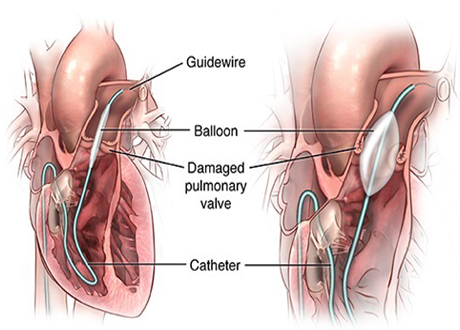
What is a Balloon Valvotomy or Valvuloplasty?
A thin, flexible catheter with a balloon at its tip is inserted through a vein in the groin and advanced under imaging guidance to the narrowed mitral valve. The balloon is inflated to gently separate the fused valve leaflets, improving blood flow. The balloon is then deflated and the catheter is removed. The procedure typically lasts 30–60 minutes and most patients go home the same day or the next day.
Dr. Vivek Kumar, Director – Interventional Cardiology & Head of Structural Heart Program at Max Super Speciality Hospital, Vaishali (Ghaziabad), is widely regarded as one of the best Balloon Mitral Valvotomy doctors in Delhi NCR. He routinely manages complex cases with excellent outcomes.
Symptoms of Heart Valve (Mitral Stenosis) Disease
- Shortness of breath / trouble breathing
- Palpitations
- Chest pain or discomfort
- Dizziness or light-headedness
- Swelling in feet, ankles or abdomen (edema)
- Rapid weight gain due to fluid retention
- Fatigue on mild exertion
Causes of Mitral Valve Stenosis
- Rheumatic heart disease (most common cause in India)
- Calcium deposits that thicken and harden the valve leaflets (more common after age 65)
- Infective endocarditis or previous valve damage
- Congenital valve abnormalities
Indications for Balloon Mitral Valvuloplasty
- Young adults and children with suitable valve morphology
- Pregnant women who develop severe mitral stenosis and cannot undergo surgery
- Patients who are high-risk or unfit for open-heart surgery
- Selected cases of rheumatic mitral stenosis with favourable echocardiographic scores
Diagnostic Tests
- ECG (Electrocardiogram)
- Echocardiogram (2D Echo / Trans-oesophageal Echo)
- Chest X-ray
- Blood tests and other relevant investigations as advised
Before the Procedure
- Complete medical history and physical examination
- Detailed explanation of the procedure and consent
- Report any known medication or contrast allergies
- Overnight fasting is usually required
- Certain medicines may be temporarily stopped on doctor’s advice
- Routine blood tests and vital-parameter check one day prior
During the Procedure
- Procedure duration is typically 30–90 minutes
- IV line is secured and continuous monitoring of vital signs is done
- Local anaesthesia is given at the access site (usually the groin)
- An introducer sheath is placed and the balloon catheter is advanced to the mitral valve under fluoroscopic and echocardiographic guidance
- The balloon is inflated to open the stenosed valve leaflets
- Balloon is deflated and the catheter is removed
- A pressure dressing or closure device is applied at the puncture site
After the Procedure
- Transfer to recovery area for observation
- Bed rest for 4–6 hours
- Pain relief or other medications as needed
- Normal diet is usually resumed the same day
- Puncture site is monitored regularly
- Most patients are discharged the same day or the next morning
- Adopt a heart-healthy lifestyle after the procedure
- Control blood pressure; follow a low-sodium diet
- Avoid alcohol and quit smoking
- Maintain healthy weight and regular physical activity as advised
- Keep all follow-up appointments with your cardiologist
Possible Complications
- Pain, swelling or tenderness at the catheter site
- Bleeding or haematoma
- Valve damage occasionally requiring emergency surgery
- Blood clot or vessel injury at the access site
- Abnormal heart rhythms (arrhythmia)
- Stroke (rare)
- New or worsening mitral regurgitation
Why choose Dr. Vivek Kumar for Balloon Mitral Valvotomy in Ghaziabad & Delhi NCR?
With extensive experience in structural heart interventions, Dr. Vivek Kumar performs Balloon Mitral Valvotomy at Max Super Speciality Hospital, Vaishali (Ghaziabad). Patients from across Delhi NCR trust him for precise, evidence-based care and excellent clinical outcomes.